A baby pigeon in a dream can draw your attention to something small, vulnerable, and still developing. You might discover a nest, hold a young bird, or watch it attempt to fly. Rather than beginning with a prediction, look at what you felt responsible for and how you responded.
These interpretations are reflective possibilities. A young bird in a dream does not establish that pregnancy, good news, or a particular event is coming.
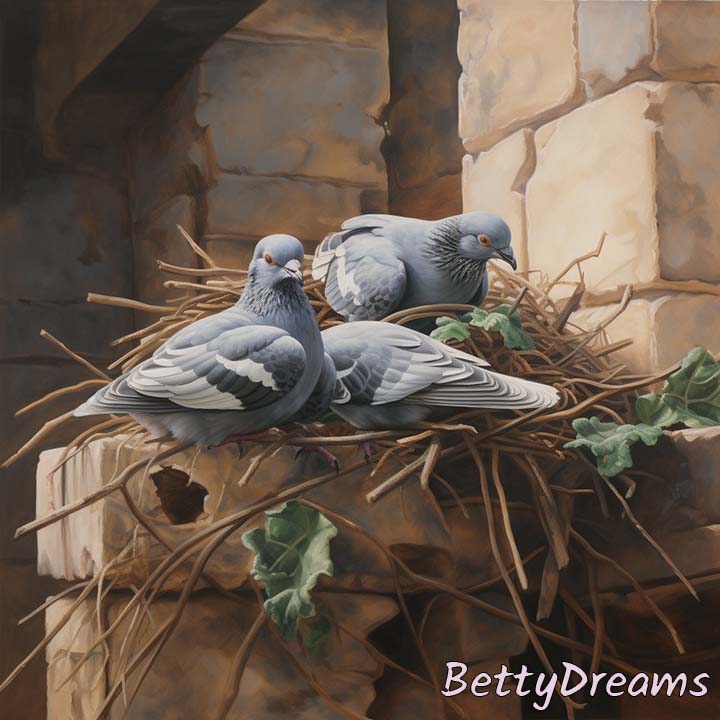
Finding a chick in a nest
A nest can provide an image of shelter and a beginning that needs time. If you felt pleased to find the bird, consider whether there is a new interest, relationship, or project that you want to protect while it develops. If you felt worried, the useful question may be what kind of support you believed was missing.
Notice whether the nest belonged in its setting. A secure nest in a familiar place creates a different story from one exposed in a busy doorway. Your sense of safety in the scene matters more than assigning a fixed meaning to every object.
Holding or feeding the young bird
Caring for a chick can invite reflection on patience and practical responsibility. Were you gentle and confident, or unsure how to help? You might connect that feeling with learning a new role or looking after something you value, if the comparison fits your life.
A helpful distinction is between wanting to care and believing that everything depends on you. If the dream felt exhausting, ask whether you were taking on too much within the scene. It does not prove that your waking responsibilities are excessive, but it may give you language for a feeling you want to examine.
Watching it hatch or begin to fly
A chick emerging from an egg can be read as a small beginning becoming visible. Watching an early attempt at flight can shift the emphasis toward learning and independence. In either case, pay attention to the pace: did you allow the bird time, or feel impatient for it to be ready?
For an everyday comparison, think of starting a course or practicing a skill. Early progress may be meaningful even when the outcome is uncertain. This is a suggested reflection, not a claim that the dream promises success.
Losing sight of the bird
Searching for a chick can bring concern, attachment, or unfinished responsibility into focus. Ask whether you were afraid for the bird, frustrated with yourself, or simply curious about where it went. Different emotions can lead to different readings of the same scene.
If the bird looked injured or did not survive in the dream, that does not forecast harm to a person or animal. You can reflect on the sadness or helplessness of the scene without using it as evidence about anything outside the dream.
Several young pigeons together
A group of chicks may invite you to think about shared care and competing needs. Perhaps you were trying to feed them all, enjoying their company, or watching another bird care for them. Notice whether help was available and whether you accepted it.
Colors and numbers are best explored through personal associations. A white chick might remind one person of a family pet and another of a picture they recently saw. There is no need to turn the number of birds into a forecast about children, money, or future events.
Reflecting on your dream
Describe the bird’s stage of development, the setting, and your role in a few sentences. Then ask: What in my life feels new? What needs patience? Where would support be welcome? Keep any connection that feels useful, while allowing the dream to remain an interesting image if no connection emerges.
Adapted from Ayteet.net’s Arabic article on this dream, with additional editorial reflection.